Do You Need Dentures or Partial Dentures? Buderim Guide
Tooth loss can affect more than just your smile. It may change how you eat, speak and feel in everyday situations, especially if gaps begin to impact comfort or confidence. If you are exploring options for dentures in Buderim, understanding the difference between full and partial dentures is an important first step.
Many people are unsure which option may suit their needs, particularly when tooth loss happens gradually or affects different areas of the mouth. This guide is designed to help you understand the key differences and make a more informed decision based on your situation, lifestyle and oral health.
Understanding Your Tooth Replacement Options
Dentures are a common solution for replacing missing teeth, but not all dentures serve the same purpose. The main distinction comes down to whether all teeth need to be replaced or only some.
Full dentures are typically considered when all teeth are missing or need to be removed, while partial dentures are used to fill gaps where some natural teeth remain. The right option depends on how many teeth you have lost, the condition of your remaining teeth and what will provide the most practical and comfortable outcome.
Understanding where you sit between these two scenarios can help guide your next step. For those comparing options for dentures in Buderim, having a clear understanding of full and partial dentures can make the decision process more straightforward.
What Are Full Dentures?
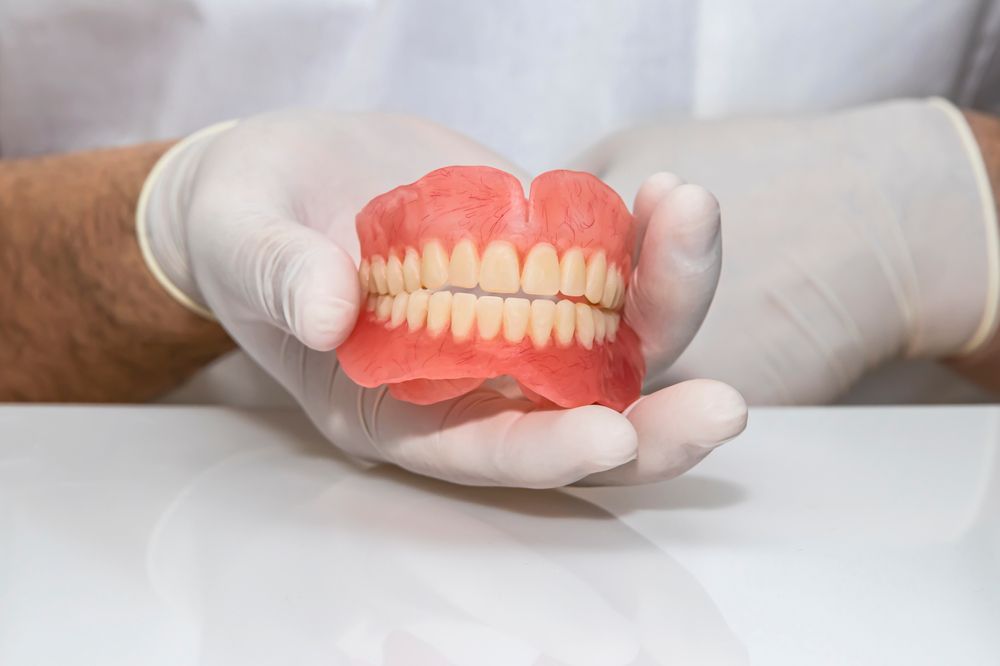
Full dentures replace all teeth in the upper jaw, lower jaw or both. They are generally considered when there are no remaining natural teeth, or when existing teeth may not be suitable for long-term retention.
These dentures are custom-made to sit on the gums and are designed to restore both function and appearance. While modern dentures aim to improve stability and comfort, how they feel can vary depending on your oral structure and how well they fit.
Full dentures may be considered if you:
- Have lost all teeth in one or both arches
- Have multiple teeth that may not be suitable for restoration
- Are experiencing ongoing dental issues affecting most of your teeth
For people missing all teeth, full dentures can help support facial structure and allow for improved function when eating and speaking, although an adjustment period is common.
What Are Partial Dentures?
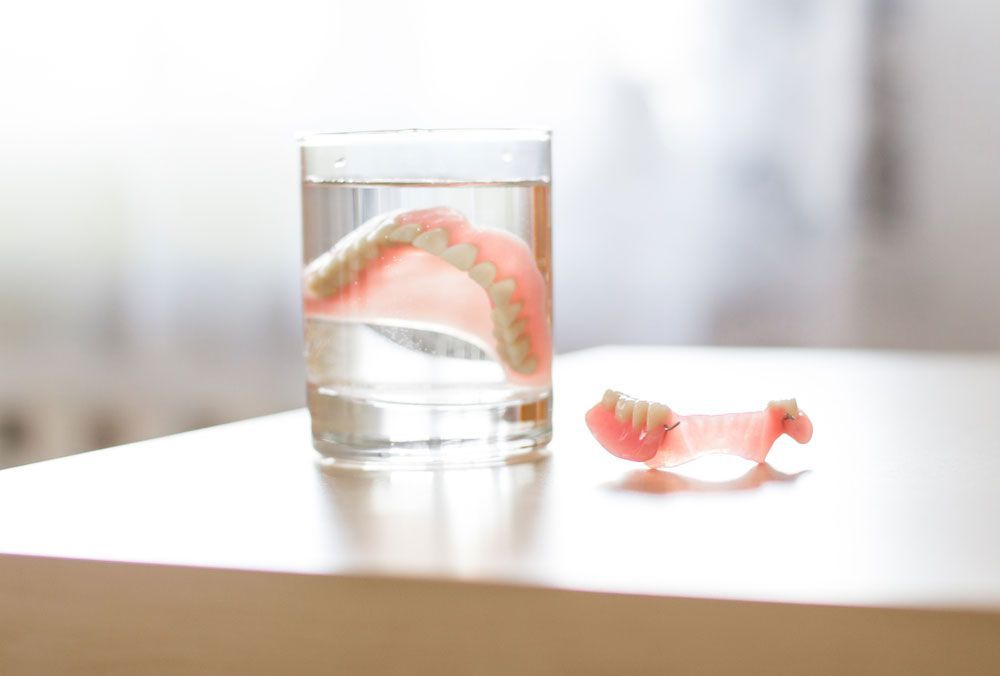
Partial dentures are used when some natural teeth remain. They replace one or more missing teeth and work alongside existing teeth to restore function and appearance.
They are typically supported by both the gums and your remaining teeth, which can help provide a more secure feel depending on the strength and position of those teeth.
Partial dentures may be considered if you:
- Are missing several teeth but still have healthy remaining teeth
- Want to maintain your natural teeth where possible
- Are experiencing gaps that affect chewing or appearance
By filling these gaps, partial dentures may help improve chewing ability, reduce strain on remaining teeth and restore confidence when speaking or smiling.
Full vs Partial Dentures: What Matters Most
Understanding how these options differ in real life can make the decision clearer.
How Many Teeth Are Missing
If all teeth are missing, full dentures are usually the option discussed. If only some teeth are missing, partial dentures may be considered.
Eating and Daily Function
Partial dentures often allow for more natural chewing, especially when supported by healthy teeth. Full dentures can still support eating, but some foods may require adjustment during the early stages.
Comfort and Stability
Partial dentures may feel more stable for some people due to the support of natural teeth. Full dentures rely on the gums, and comfort can improve over time as you adjust.
Appearance and Confidence
Both options aim to restore your smile. For many people, replacing missing teeth can improve confidence in social and professional situations.
Long-Term Maintenance
Both types of dentures require ongoing care. Partial dentures also involve maintaining the health of your remaining teeth, while full dentures may need adjustments over time as your mouth changes.
Which Option May Suit Your Situation?
Looking at your own situation can help clarify which option may be more appropriate.
If you are missing a small number of teeth and your remaining teeth are healthy, a partial denture may be discussed as a way to restore those gaps while maintaining your natural teeth.
If you are missing most or all of your teeth, or your remaining teeth are no longer stable, full dentures may be considered to provide a more complete solution.
If you are finding it difficult to eat certain foods, experiencing discomfort or feeling self-conscious about gaps, addressing these concerns with the right denture option may help improve daily comfort and confidence.
These decisions should always be based on a professional assessment, as each case is different.
What to Expect When Getting Dentures
Getting dentures involves several steps, including an initial assessment, measurements and fittings to ensure the final result suits your mouth.
Once your dentures are fitted, it is normal to go through an adjustment period. You may notice changes in how they feel when speaking or eating, particularly in the early stages.
Over time, many people become more comfortable and adapt to their dentures as part of their daily routine.
Dentures may help with:
- Supporting chewing and expanding food choices
- Improving speech clarity
- Restoring facial appearance
- Increasing confidence in everyday interactions
Regular dental reviews are important to ensure your dentures continue to fit well and function as intended.
Maintaining Your Dentures Over Time
Proper care plays an important role in keeping your dentures comfortable and functional. Daily cleaning, safe handling and regular dental check-ups all contribute to long-term use.
If you have partial dentures, maintaining the health of your remaining teeth is equally important. Changes in your mouth over time may affect how your dentures fit, so periodic adjustments may be needed.
Your dentist will guide you on the most appropriate care routine for your specific denture type.
Choosing a Local Dental Provider
When searching for dentures near me, it is important to choose a provider who can assess your needs thoroughly and explain your options in a clear and practical way.
A detailed consultation allows your oral health, number of missing teeth and overall goals to be considered before any recommendation is made. This ensures the option discussed is appropriate for your situation rather than a one-size-fits-all approach.
Ongoing support is also important, as dentures may require adjustments over time to maintain comfort and function.
Take the Next Step Towards the Right Denture Option
Deciding between full and partial dentures can feel overwhelming, especially when your comfort, appearance and ability to eat and speak are all part of the decision. The most suitable option depends on your current oral health, the number of missing teeth and what will support your long-term needs.
At Buderim Family Dental, we assess your individual situation and explain the differences between each option in a clear and practical way. Our team works with you to determine whether full or partial dentures may be appropriate based on your oral health, lifestyle and goals.
If you are considering
dentures in Buderim,
contact our team to discuss your options and take the next step towards a solution that suits you.